
Change Locks or Rekey: Which is Better?
Deciding between changing locks and rekeying can be confusing. Both options enhance security but serve different needs.
Changing locks involves replacing the entire lock mechanism. This is ideal when locks are old or damaged.
Rekeying, on the other hand, alters the existing lock to work with a new key. It’s often more cost-effective and quicker.
Understanding the differences can help you make an informed decision. Whether you’re a homeowner, renter, or property manager, knowing when to choose each option is crucial.
In this article, we’ll explore the pros and cons of each method. You’ll learn when to rekey and when to change locks.
What’s the Difference Between Changing Locks and Rekeying?
Changing locks and rekeying might seem similar, but they have key differences. Changing locks means replacing the entire lock structure. New hardware is installed, offering a fresh start with brand-new keys. This process is usually more labor-intensive.
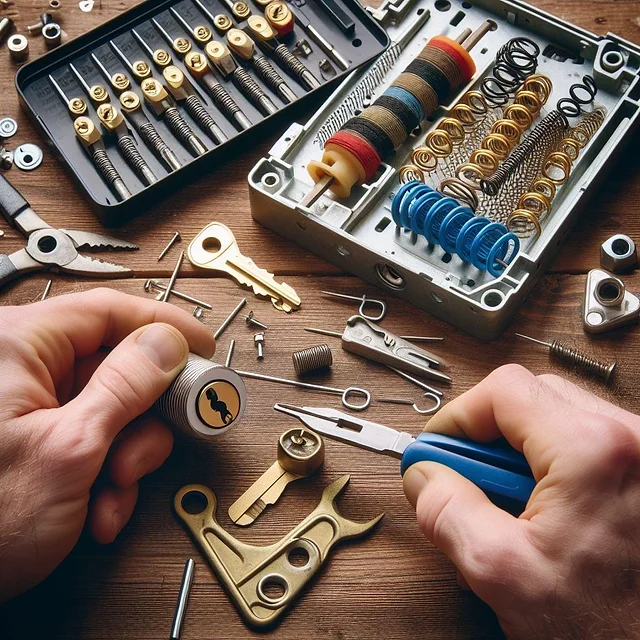
Rekeying, however, keeps the original lock in place. Instead, the internal pins are adjusted to work with a different key. This method retains the door’s aesthetics and often saves time.
Here’s a quick breakdown:
- Changing Locks: New hardware, new keys, more costly.
- Rekeying: Keep existing hardware, new key for the same lock, typically cheaper.
Both methods aim to secure your property, but they cater to different situations. Changing locks is recommended for upgrading security systems or when a lock is faulty. Rekeying is best when security needs shift, yet the current lock hardware is still reliable. Knowing these differences equips you to choose wisely.
When Should You Rekey Locks?
Rekeying is ideal in many situations. It’s a practical choice when you want to enhance security without changing all the hardware. Situations like moving into a new residence call for this option. You never know who might have old keys.
This process is also suitable if you lose a key. It ensures that lost keys can’t compromise your security. Rekeying is quick and efficient, especially during events needing immediate solutions.
Consider rekeying when you want to:
- Keep existing door aesthetics.
- Avoid the cost of new lock systems.
- Ensure security after losing a key.
For quick security updates without major changes, rekeying is an excellent choice. It maintains the integrity of your existing door while adjusting to new security needs.
When Should You Change Locks?
Changing locks is necessary in several scenarios. If your locks are old or worn, it’s wise to replace them. Aging locks can be unreliable and may not offer adequate security.
Another reason to change locks is when upgrading your home’s security system. New locks can provide enhanced protection features. This includes options like smart locks, which offer modern conveniences and increased safety.
Consider changing locks in situations such as:
- Following a break-in.
- Switching to another lock brand or design.
- Finding faulty or malfunctioning locks.
Finally, if you’re concerned about previous access, changing locks gives peace of mind. It’s an opportunity to start fresh and secure control over who can enter your property. New locks can also boost property aesthetics and value.
Pros and Cons: Change Locks vs Rekey
Choosing between changing locks and rekeying depends on specific needs and circumstances. Both options offer unique benefits and drawbacks.
Pros of Changing Locks
- Enhanced Security: New locks can offer upgraded security features.
- Aesthetic Improvement: Opportunity to choose a design that matches your style.
- Peace of Mind: Essential if you suspect unauthorized access.
Cons of Changing Locks
- Higher Cost: Involves purchasing new hardware and labor costs.
- Time-Consuming: Requires more time for installation compared to rekeying.
Rekeying locks has its own list of advantages. It is often the quicker and more cost-effective choice.
Pros of Rekeying Locks
- Cost-Effective: Lower cost since it uses existing lock hardware.
- Quick Process: Faster to rekey than replacing locks entirely.
Cons of Rekeying Locks
- Limited Upgrade: Does not offer new security features.
- Condition Dependent: Requires existing locks to be in good condition.
Weighing these pros and cons helps decide which option best fits your specific security needs and budget.
Cost Comparison: Rekeying vs Changing Locks
When budgeting for lock changes or rekeying, cost is a significant factor. Both services provide different financial considerations based on your needs.
Rekeying locks generally presents a more affordable option. The process mainly involves altering the internal components of existing locks. There is no need to purchase new hardware, which reduces overall expenses.
Changing locks, however, can result in higher costs due to additional materials. New lock systems, especially high-security or smart locks, can be pricey. The labor involved in replacing the hardware further increases the costs.
Cost Factors to Consider
- Labor Fees: Installation or rekeying service charges.
- Materials: New locks or rekeying kits.
- Time: Professionals may charge by the hour.
Evaluate these factors to make a financially informed choice. Consider both current and future security needs.
How to Decide: Factors to Consider
Choosing between changing locks and rekeying depends on several key factors. Understanding your priorities can help simplify this decision-making process. Each option comes with unique benefits, so weigh these considerations carefully.
If your primary concern is cost, rekeying is likely the better choice. It’s less expensive and preserves your existing hardware. However, if you want a completely new system or higher security, changing locks might be necessary.
When making your decision, consider these factors:
- Budget: What is your financial limit?
- Security Needs: Are you aiming for basic or advanced security?
- Time Constraints: How quickly do you need this done?
Making the right choice involves balancing these priorities based on individual security objectives.
Professional Locksmith Services: What to Expect
Hiring professional locksmith services ensures efficient and reliable work. Locksmiths bring expertise, helping you make an informed decision. Their experience ensures that the job is done right the first time.
When engaging with locksmith services, you can generally expect:
- Expert guidance on whether to rekey or change locks.
- Professional assessment of your current lock’s condition.
- Quick and safe execution of the preferred method.
Trusting a locksmith saves time and provides peace of mind, safeguarding your property’s security.
Conclusion: Which Option is Right for You?
Choosing between changing locks and rekeying depends on your specific needs. If you need a cost-effective solution, rekeying is usually preferable. It allows you to keep your existing hardware while enhancing security.
Conversely, changing locks might suit those who desire a complete overhaul. This option is better when upgrading to a more advanced security system. Evaluate the condition of your current locks and consider your budget. Consulting a professional locksmith can also provide clarity and confidence in your decision. Remember, both options play a vital role in maintaining a secure and safe environment.